
SALVADOR JIMÉNEZ FLORES
Resume
Jalisco, México, 1985
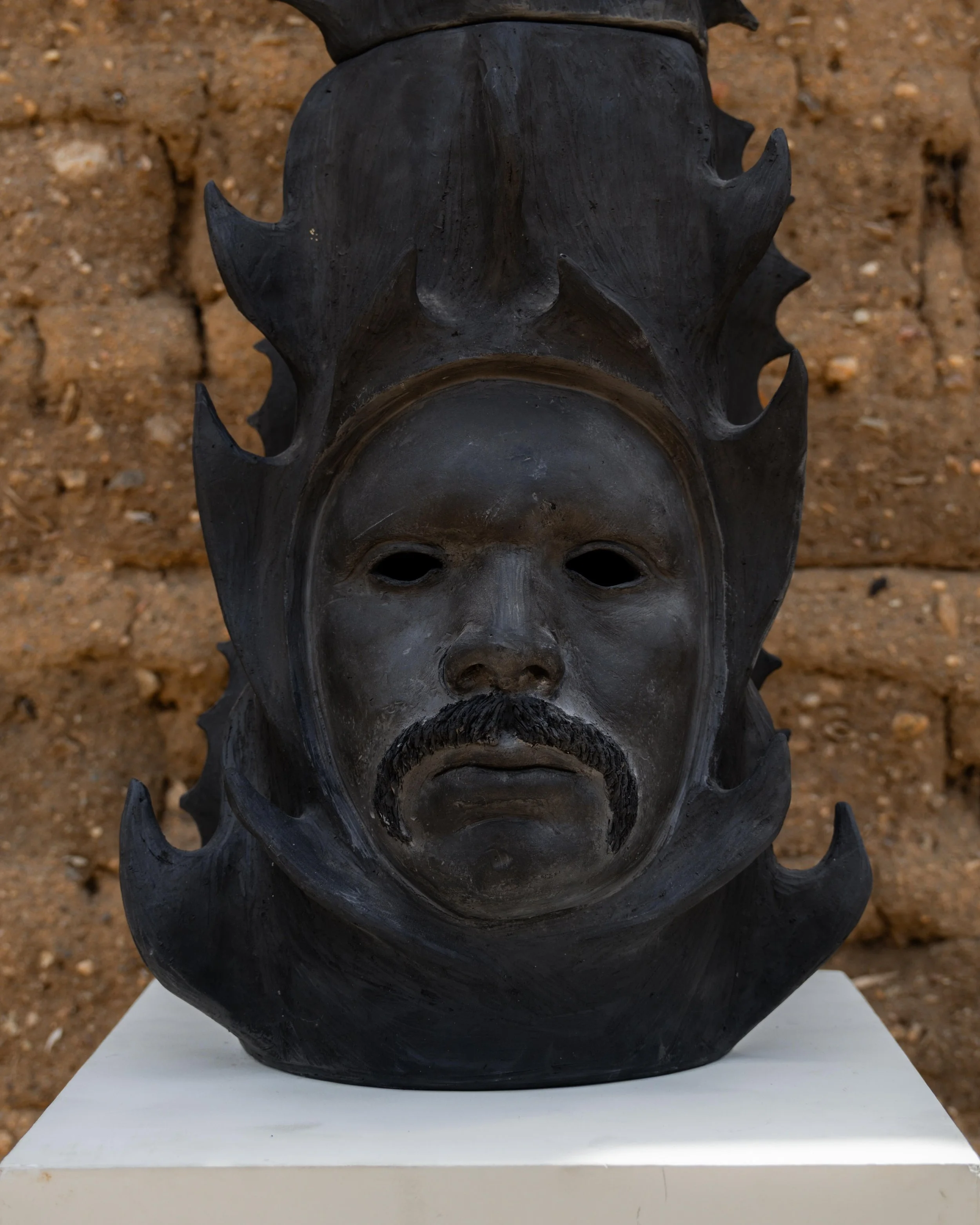
Salavador body of work enriches the artistic and scholarly exploration of national identity, double consciousness, and the politics of “the other” within the contexts of colonization, migration, and American life. Through the lens of aesthetic movements such as futurism and the creation of socially conscious installations—both in studio-based and public art—he illuminates the struggles and complexities inherent in the diverse experiences of Latinx people living in the United States. In this practice, he is constantly constructing images that serve as visual and conceptual pathways to discover, possess, and translate their potentiality through painting. Coming from a background in architecture, his work incorporates various structural and spatial components related to the idea of designing an image or responding to self-generated problems, operating under the belief that the best art possesses multiple layers of meaning.
Central to his practice is Rascuache-Futurism, a decolonial aesthetic and philosophical framework that merges ”rasquache”—a Chicanx ethos of resourceful, inventive making born from scarcity—with speculative futurisms that center people of color. His recent work draws on this aesthetic, articulating pre-Columbian, colonial, and post-colonial histories through hybrid forms. For him, “rasquache”represents a survivalist approach—making do with whatever resources are available and transforming instability into creative possibility. By blending design, craft, and emerging technologies, he creates visual narratives infused with magical realism that challenge dominant, whitewashed futurist imaginaries. Through the reclamation of materials and cultural symbols historically devalued by colonial hierarchies, he seeks to reimagine an alternative, inclusive, and hybrid future, asserting the right of communities of color to shape tomorrow on their own terms.
In exploring these themes, he works mainly with the notions of illusion, representation, and the distinct challenges that this particular approach presents within contemporary painting. Throughout the years, he has developed different series that follow two principal directions. The first direction involves geometrical and architectural forms where he folds, fractures, and modulates the pictorial space in order to generate a conceptual and visual metaphor for change and contradiction.
-
My artistic practice explores national identity, double consciousness, and the representation of the “other” within the contexts of colonization, migration, and American life. I was born and raised in Jalisco, Mexico, and draw from my experience as both an immigrant and an American citizen to address the tensions of belonging, exclusion, and racialization that shape the Latinx experience in the United States.
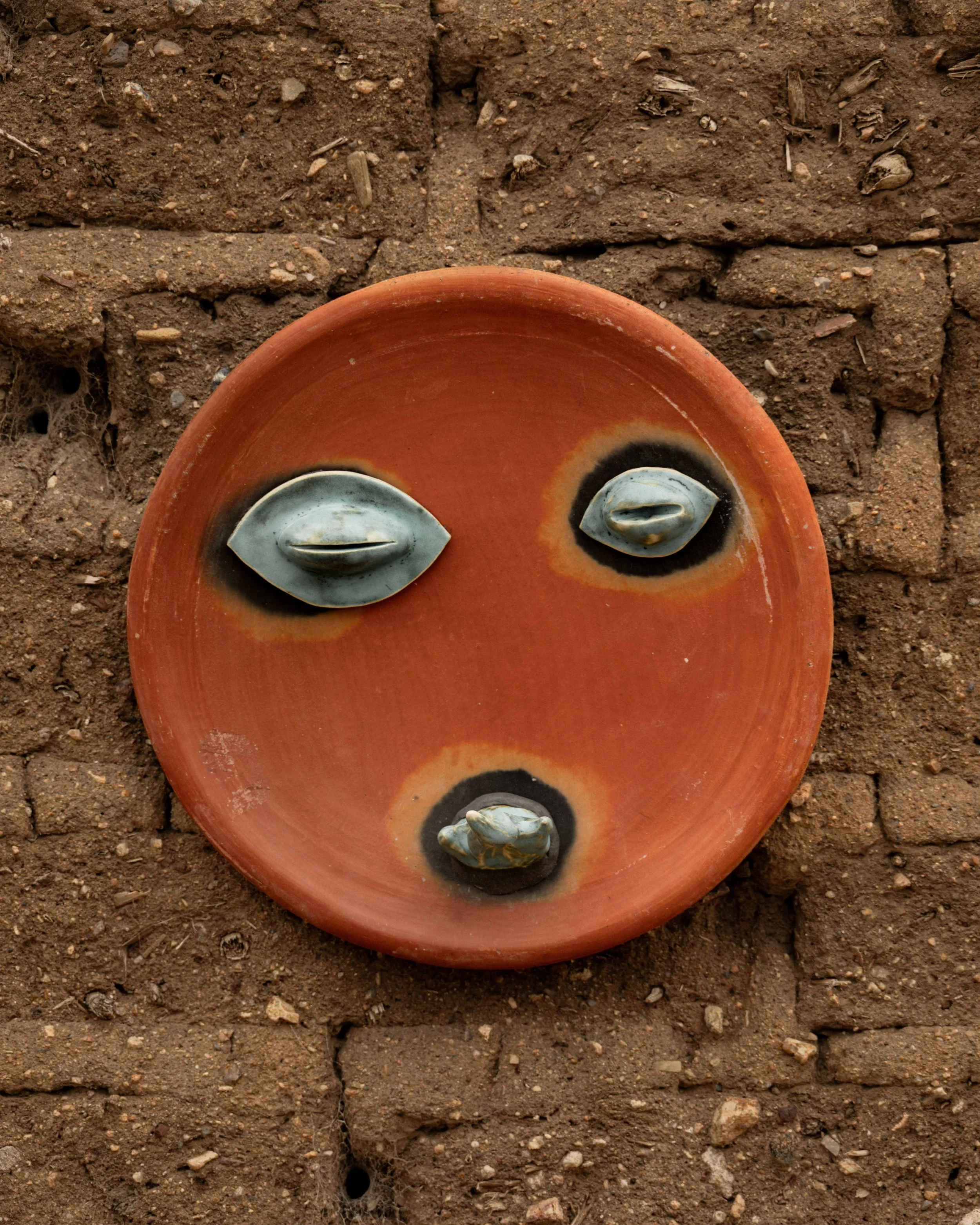
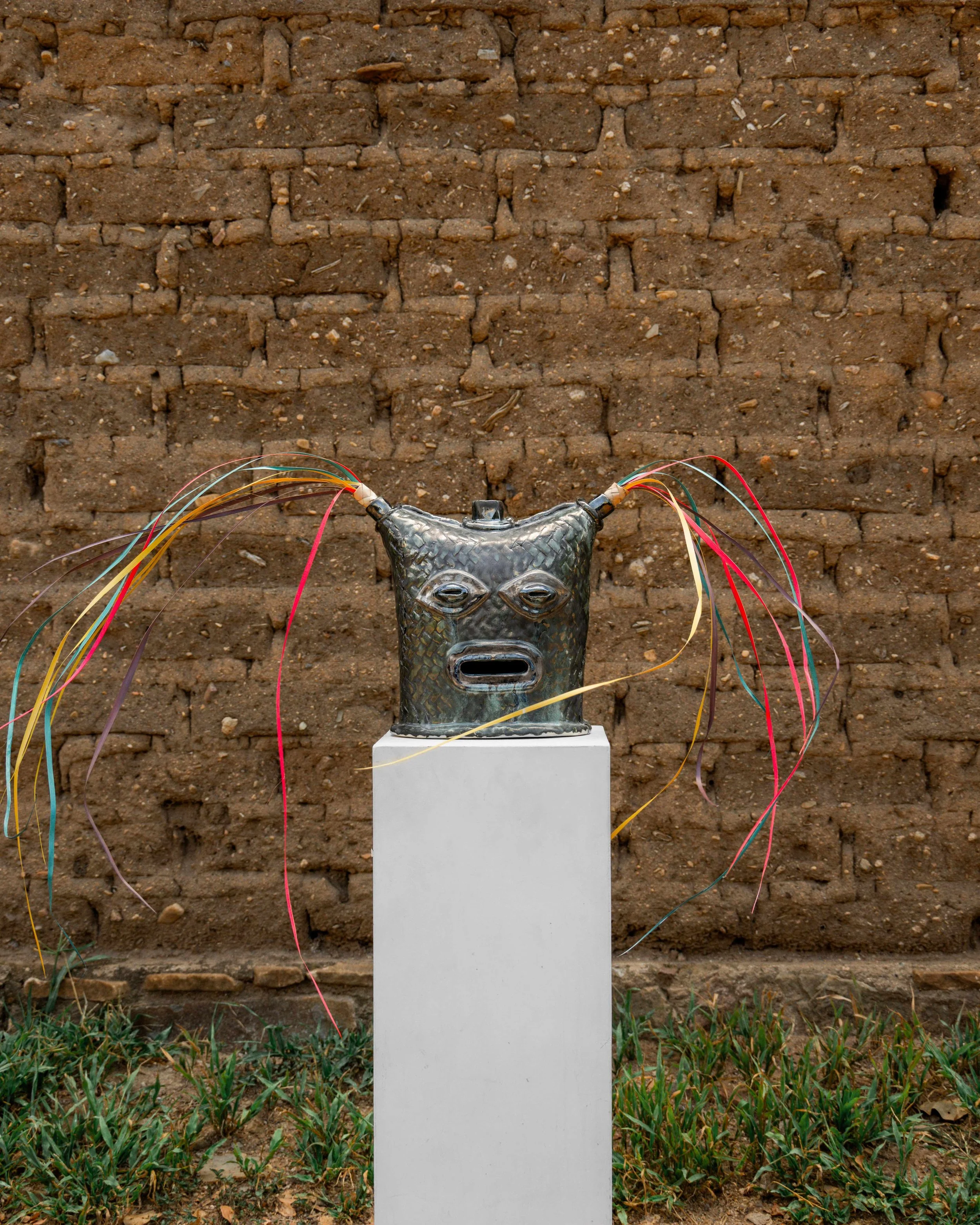
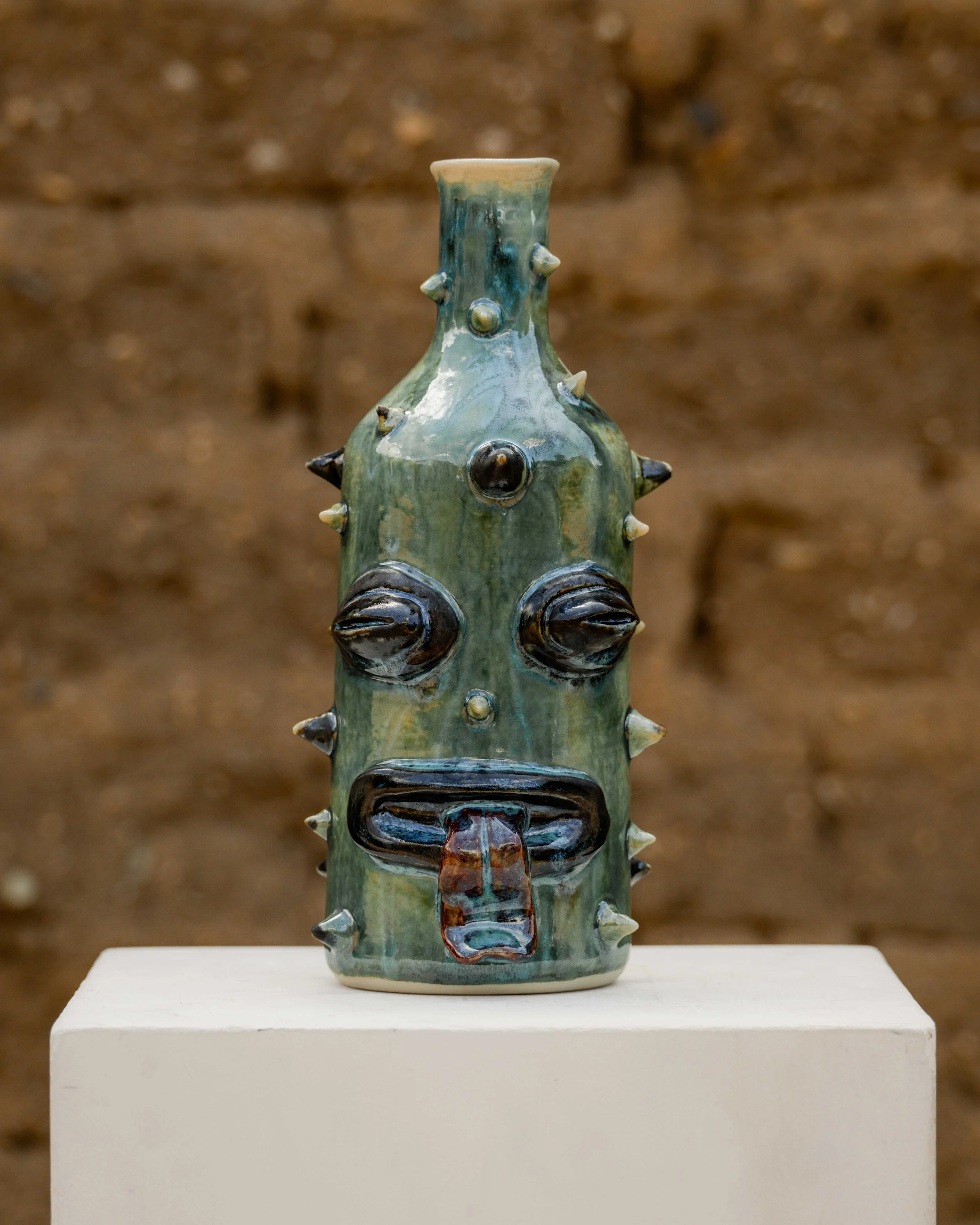
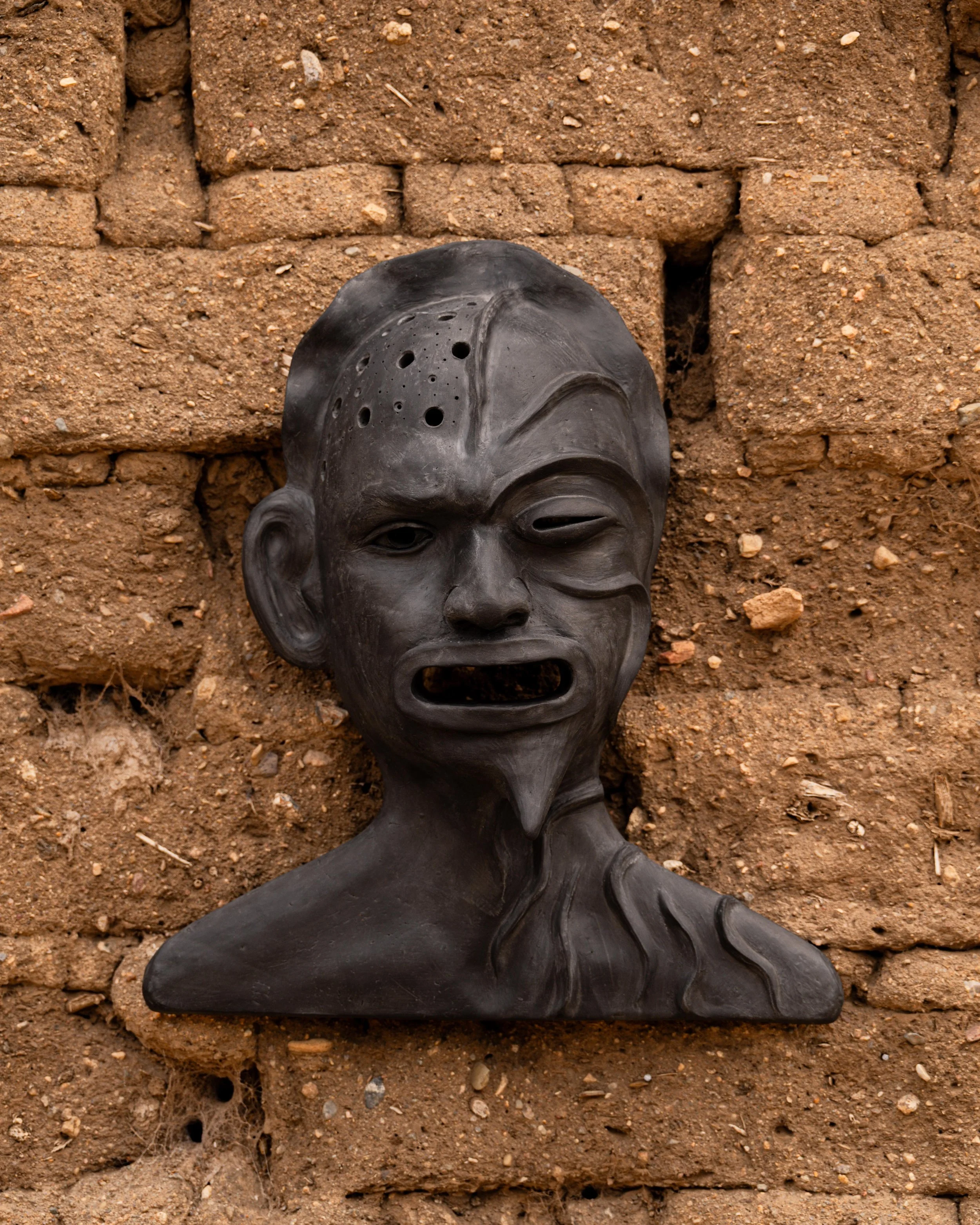
My work draws on W. E. B. Du Bois’s concept of double consciousness and develops a Rasquache-Futuristic aesthetic that brings together pre-Columbian, colonial, and postcolonial references. Through the appropriation and transformation of found objects, as well as the integration of design, visual arts, and new technologies, I create sculptures and installations that reflect on identity, memory, and cultural contradictions. Using an eclectic visual language that combines humor, political critique, and magical realism, I seek to imagine alternative and inclusive futures in which racialized communities are visible, recognized, and empowered.
-
Selected Solo Exhibitions:
2026: YU ´LA ´YA, CAM Galería, Mexico City, Mexico.
2025: Salvador Jiménez-Flores: Interlace, Sketch Gallery, Bogotá, Colombia.
2024: Cultural Amalgamation, Marian Art Gallery, Milwaukee, Wisconsin, USA.
Selected Group Exhibitions and Fairs:
2026: Zona Maco, Kates-Ferri Projects, Mexico City, Mexico.
2026: ChingARTE, Christopher Art Gallery, Prairie State College, Chicago Heights, Illinois, USA.
2025: Power of the People: Art and Democracy, Museum of Fine Arts, Boston, Massachusetts, USA.
2025: Graver Le Territoire: L’art de l’exil, Institut Culturel du Mexique, Paris, France.
2025: Busted: Contemporary Sculpture Busts, Frederik Meijer Gardens & Sculpture Park, Grand Rapids, Michigan, USA.
2024: Arte Diseño Xicago II—From the World’s Fair to the Present Day, National Museum of Mexican Art, Chicago, Illinois, USA.
2023: Funk You Too!, Museum of Arts and Design, New York, New York, USA.
2022: Fragile: Earth, Grounds For Sculpture, Hamilton Township, New Jersey, USA.
Awards, Achievements, and Residencies:
2025: Project Grant (Un-monument | Re-monument | De-monument), Office of Arts and Culture, Boston, Massachusetts, USA.
2023: Featured Public Sculpture Grant, ArtPrize, Grand Rapids, Michigan, USA.
2022: Richard Hunt Award, Chicago Sculpture Exhibit, Chicago, Illinois, USA.
2021: United States Artists Fellow ($50,000 Grant), Chicago, Illinois, USA.
2020–2022: RaD Fellowship, Threewalls, Chicago, Illinois, USA.
Public Collections:
Museum of Fine Arts, Boston, Massachusetts, USA.
National Museum of Mexican Art, Chicago, Illinois, USA.
Grounds For Sculpture, Hamilton Township, New Jersey, USA.
The Pennsylvania Academy of the Fine Arts, Philadelphia, Pennsylvania, USA.
McNay Art Museum, San Antonio, Texas, USA.
DePaul Art Museum, Chicago, Illinois, USA.
Grand Rapids Art Museum, Grand Rapids, Michigan, USA.
Museum of Glass, Tacoma, Washington, USA.
John Michael Kohler Arts Center, Sheboygan, Wisconsin, USA.
Taller de Punta Seca, Mexico City, Mexico.
Education:
2012–2014: Master of Fine Arts (MFA) in Drawing, Kendall College of Art & Design, Grand Rapids, Michigan, USA.
2003–2006: Bachelor of Applied Science in Graphic Design & Digital Media, Robert Morris University, Chicago, Illinois, USA.
2012: Study Abroad Program, Studio Arts College International, Florence, Italy.