PAST EXHIBITION
OBJECT ROMANTIEK - SANTIAGO EVANS CANALES
APRIL - JUNE 2026
With a gaze captivated by the delicacy of a flower, with a breath that ensures maximum oxygenation in the blood, and without fear of the edge of high contrast: that is the body walking these paths.
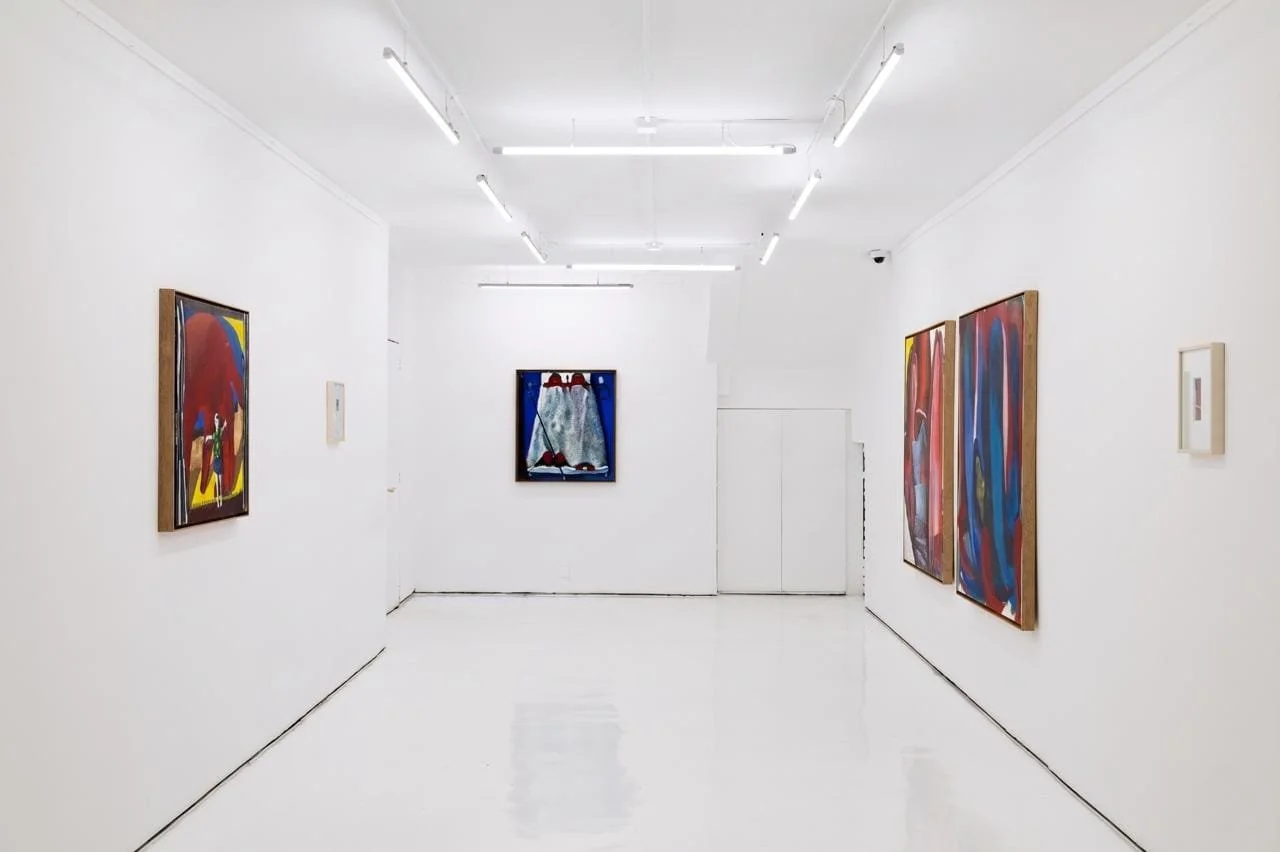
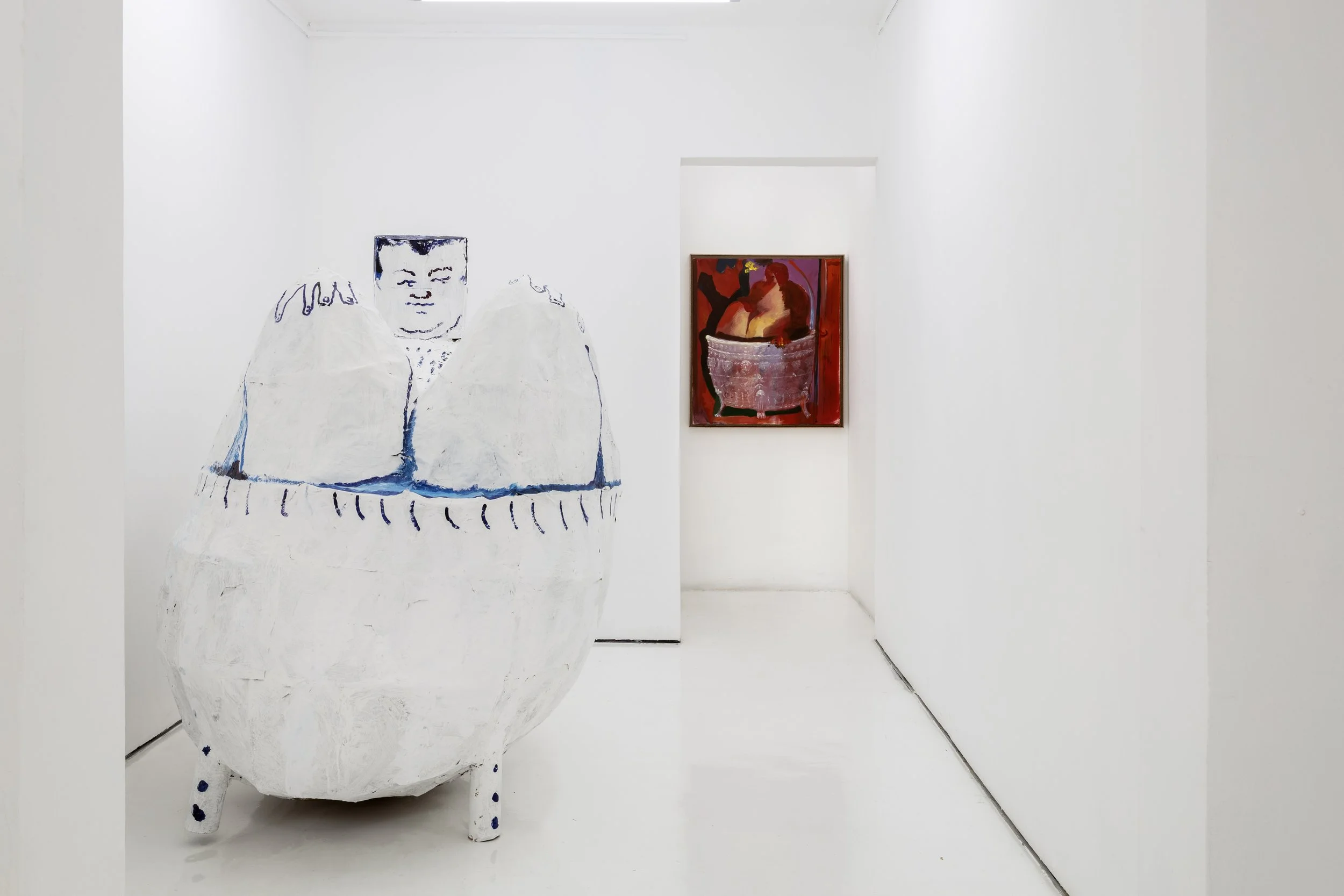
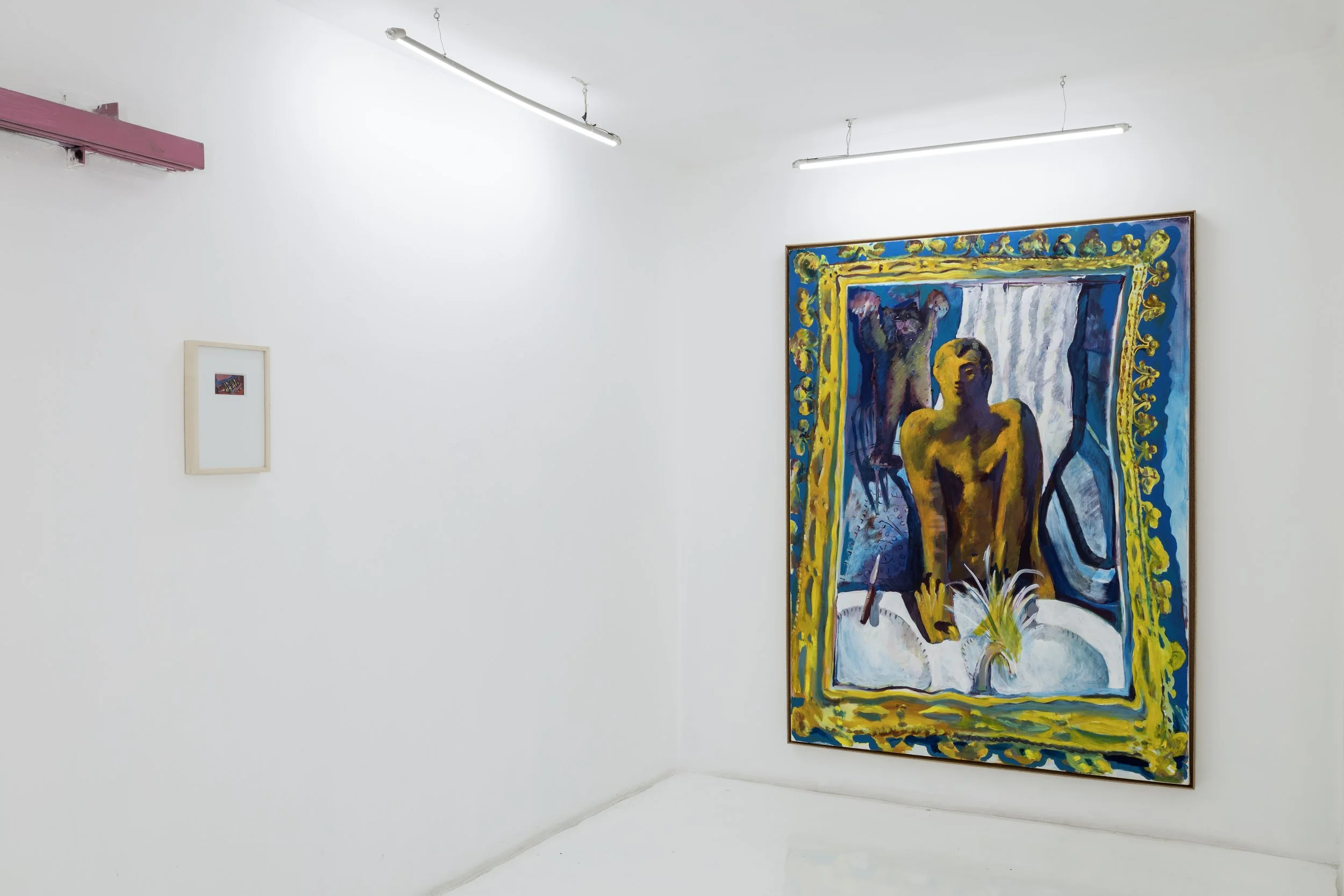
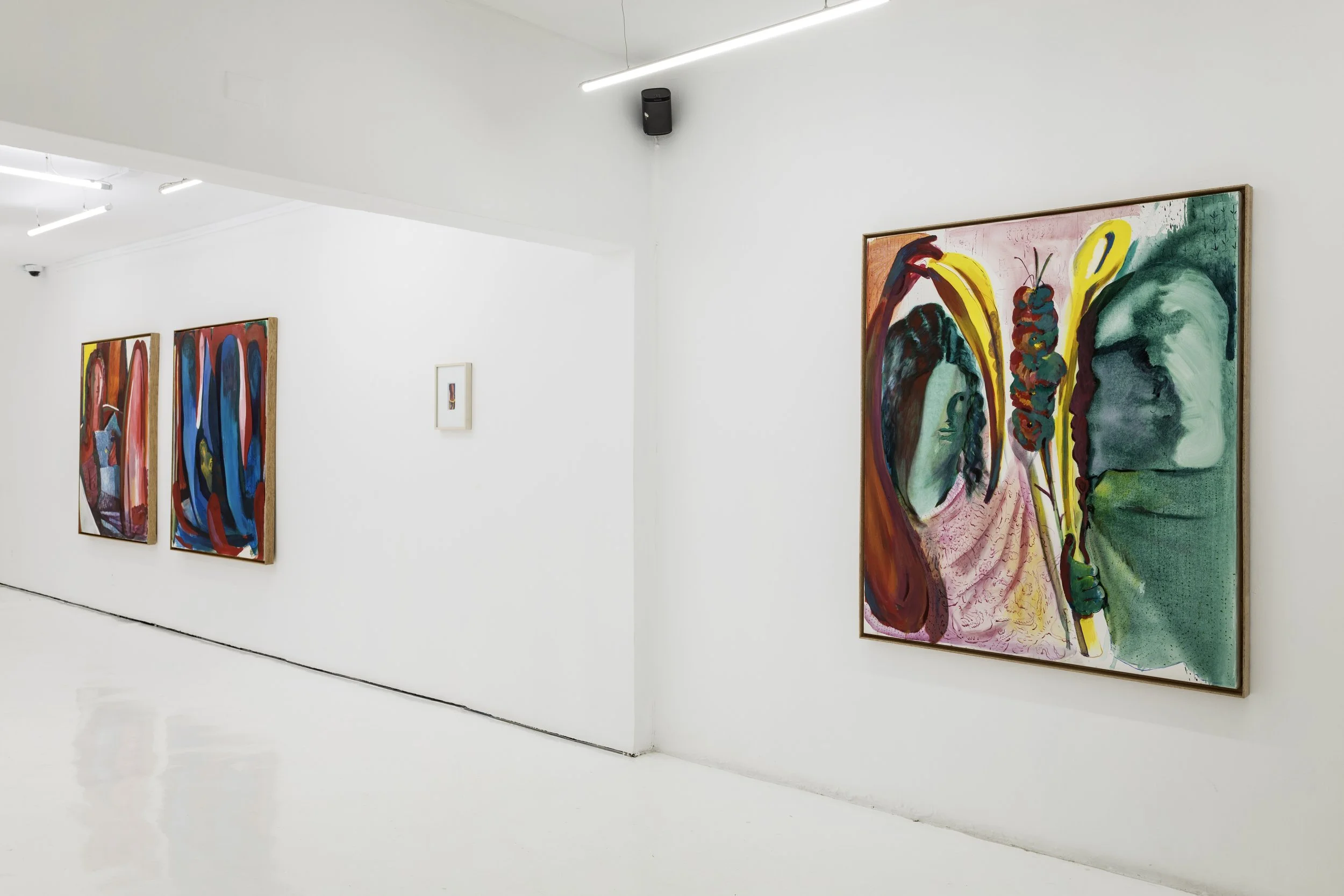
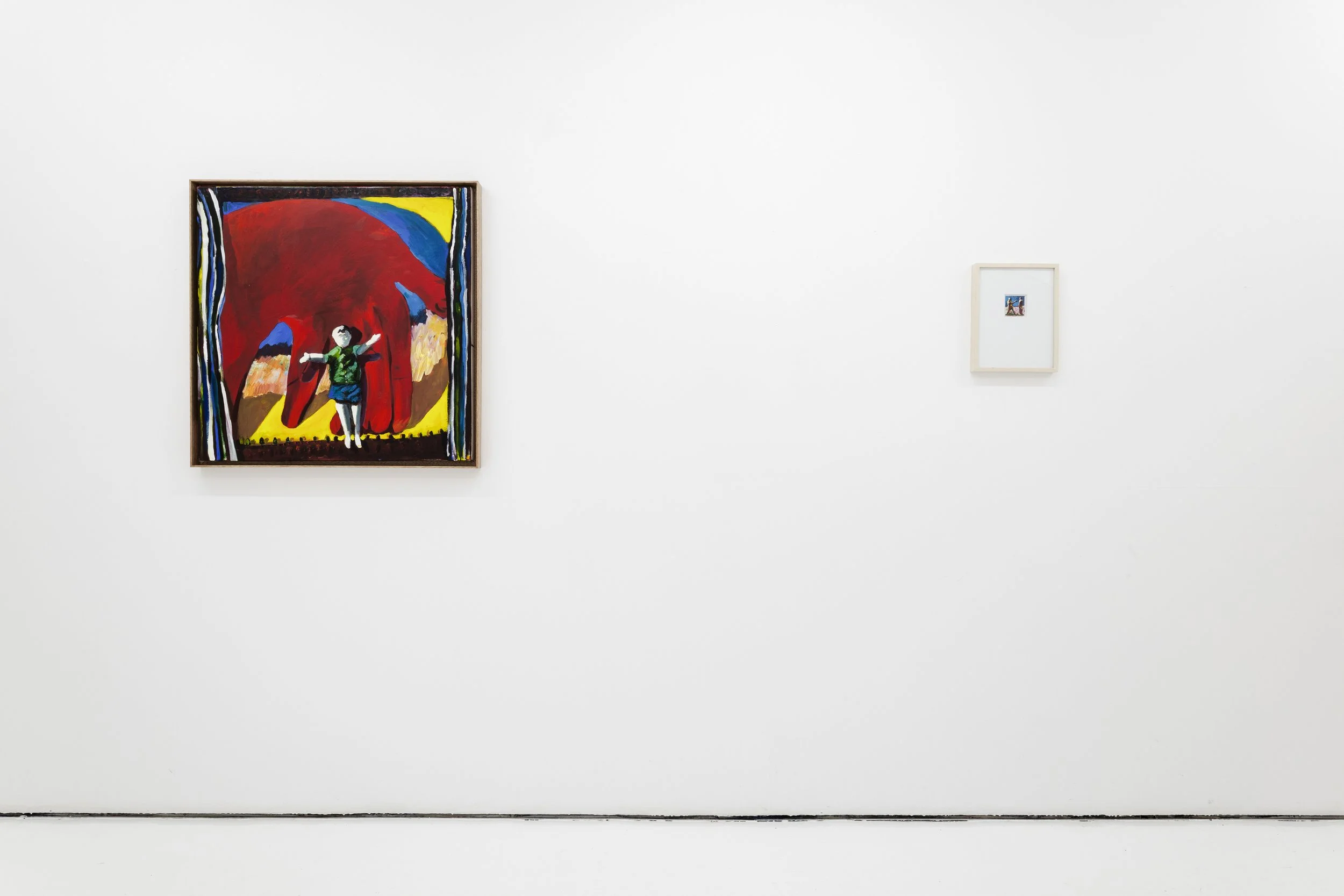
Santiago Evans Canales’s painting generously unfolds pictorial spaces where color creates possibility, and possibility colors desires, gestures, and curiosities. Each figure has found its place only after taking a risk, from which it retains a certain volatility. In ceaseless exploration of his own kastanophobia (fear of the color brown), the artist manipulates colors—his own—as much as flesh as light, as truth and reverie. The seriousness with which he modulates the weight and surface of each of his forms never contradicts the gentle charm of the beings who bravely inhabit his paintings—beings animated by the literary pulse of an old tale perpetually on the verge of becoming disconcerting. The moment in his painting does not come from an instrument that cuts through time but from touch, from the brush of two chromatic presences that grant each other’s presence.
This exhibition reimagines the concept of “object permanence,” introduced by the Swiss psychologist Jean Piaget as part of his theory on children’s cognitive development. It is posited that as young children interact with their environment, they eventually learn that objects and people continue to exist even when they are out of sight. In a curious and productive digression, Santiago extends this framework of sensory learning to produce a series of encounters with objects whose consistency cannot be demonstrated without taking into account a sentimental dimension. It is not so much a nostalgic reading of specific objects as it is an actualization of the conditions of possibility for knowledge. In these paintings, objects are “ready” to be apprehended only to the extent that we recognize ourselves as part of an emotional and inevitably dizzying plane. Seemingly simple shapes and colors are imbued with an unnoticed emotional complexity. Language no longer underpins factual truth; here it takes the form of a chuckle and a stumble, or at best, of verse. Its technical function is suspended, but the plastic prevails, just as the proper name softens to highlight the grimace.
The enigma in Santiago’s work is vast and labyrinthine. It draws on the imagination of a child who struck a deal with painting under unknown terms as soon as he had the chance. This deal—a spell?—made him impervious to the photographic and allowed him to retain the warmth of the sun despite the gray rain with which he lived for so long in the old world. There is also the uninterrupted assimilation of paintings by others: technicians, naives, magicians, and madmen. Evans Canales cultivates his references with enthusiasm but also with nonchalance, fully aware of the inexhaustibility of the painterly endeavor. This particular exhibition aims to develop just one of his potentials—the one that challenges the hyper-consistency of the contemporary, harnessing the values of painting to reclaim the childlike gaze, now his own, which has not taken the gaze-truth relationship for granted.
Bruno Enciso